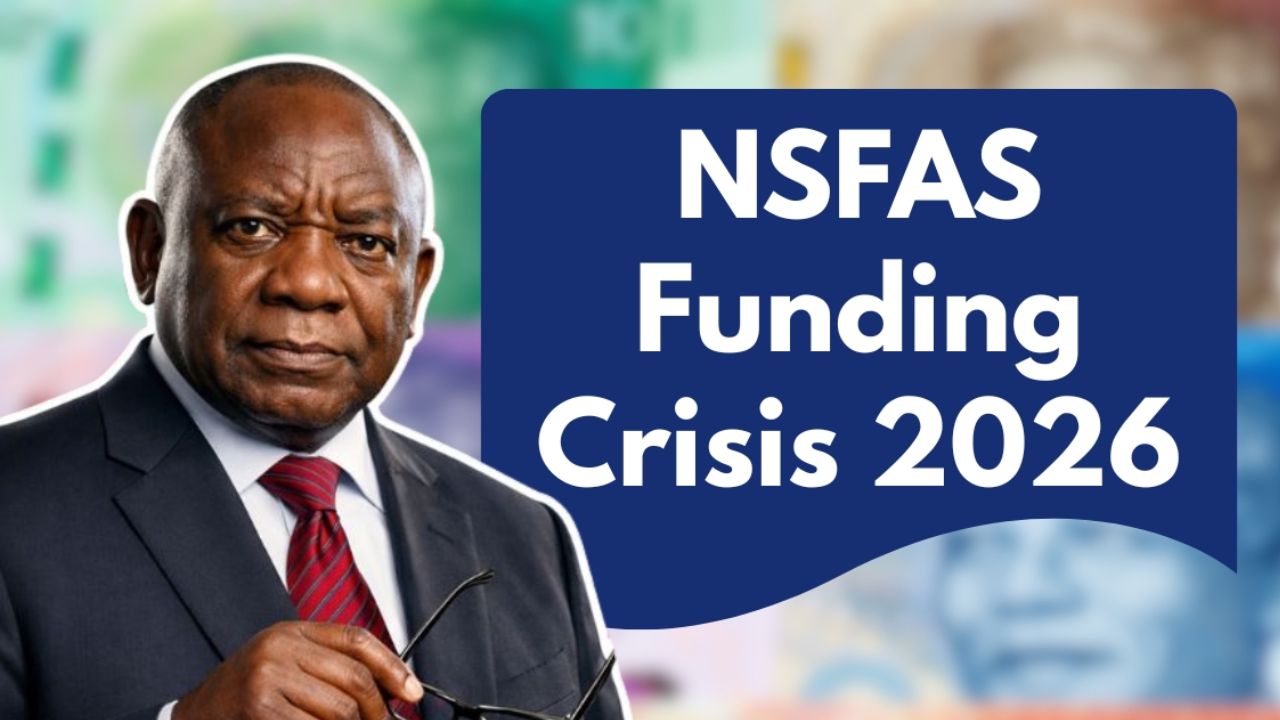
NSFAS 2026 Funding Confirmed: The National Student Financial Aid Scheme has announced that more than one million students will receive financial support for the 2026 academic year. The confirmation brings relief to many families preparing for university and college admissions, as the program remains one of the largest education support initiatives in South Africa.
Funding will cover students studying at public universities and Technical and Vocational Education and Training colleges. The decision ensures that qualifying students can begin or continue their studies without the heavy financial burden that often prevents access to higher education.
NSFAS 2026 Funding Distribution Overview
| Funding Category | Details |
|---|---|
| Total Students Funded | Over 1 million beneficiaries approved for 2026 |
| New Applicants | Majority of approvals granted to first-time university and TVET students |
| Returning Students | Continuing students funded if academic progress requirements are met |
| Application Reviews | Applications processed before registration periods to prevent delays |
| Appeals Process | Available for rejected or incomplete applications |
| Funding Coverage | Tuition fees, accommodation, food, transport, and learning materials |
Strong Support for Both New and Returning Students
The funding approvals are designed to support both students entering higher education for the first time and those continuing their studies. A large share of the funding has been allocated to new applicants who are beginning their academic journeys.
At the same time, returning students remain eligible for continued assistance if they meet the required academic performance standards. This balanced approach allows the program to expand educational access while also encouraging students to remain committed to their studies.
By maintaining these conditions, the scheme aims to ensure that financial aid benefits students who remain focused on completing their qualifications.

Early Processing of Applications for 2026
For the 2026 academic cycle, the application review process began earlier than usual. This step was taken to prevent delays that previously affected student registration periods at many institutions.
The review team processed a large volume of applications ahead of the academic year. While many students were approved, some applications were flagged because of missing documents or because they did not meet the program’s academic or financial requirements.
Students who were approved can now move forward with registration knowing that their funding support has been secured.
Academic Performance Remains an Important Condition
Academic performance continues to play an important role in determining whether returning students maintain their funding. Universities and colleges provide academic progress information directly to the scheme, meaning students do not usually need to submit new application forms each year.
If a student’s academic results fall below the required level, funding may be suspended. However, the program provides an appeals option that allows students to explain their circumstances and request reconsideration.

This system encourages students to remain academically committed while also providing flexibility in cases where unexpected challenges may have affected their performance.
Appeals Option for Students with Rejected Applications
Applicants whose submissions were rejected or marked as incomplete still have an opportunity to correct the situation. The appeals process allows students to upload missing documents or challenge decisions during a limited submission period.
Education officials recommend that affected applicants act quickly and carefully review the requirements before submitting their appeal. Providing complete and accurate information improves the chances of receiving financial support for the academic year.
What NSFAS Funding Covers for Approved Students
Students who receive approval through the scheme can access several types of financial support. Funding normally includes tuition fees and a range of student allowances designed to support everyday living during the academic year.
These allowances may include accommodation support, food allowances, transport costs, and funding for learning materials such as books and study equipment. Payment schedules are usually managed by educational institutions according to their academic calendars.

This comprehensive approach helps ensure that students can focus on their studies without constant financial pressure.
Final Verdict
The 2026 funding confirmation from the National Student Financial Aid Scheme marks a significant step in supporting access to higher education in South Africa. By funding more than one million students, the program continues to expand opportunities for young people to pursue university and technical education. For approved applicants, the funding offers financial stability and the chance to concentrate on academic success.
Disclaimer
This article is intended for informational purposes only. Funding decisions, eligibility requirements, and application procedures may change depending on official policies. Students should always verify updates through official NSFAS channels or their educational institutions.
