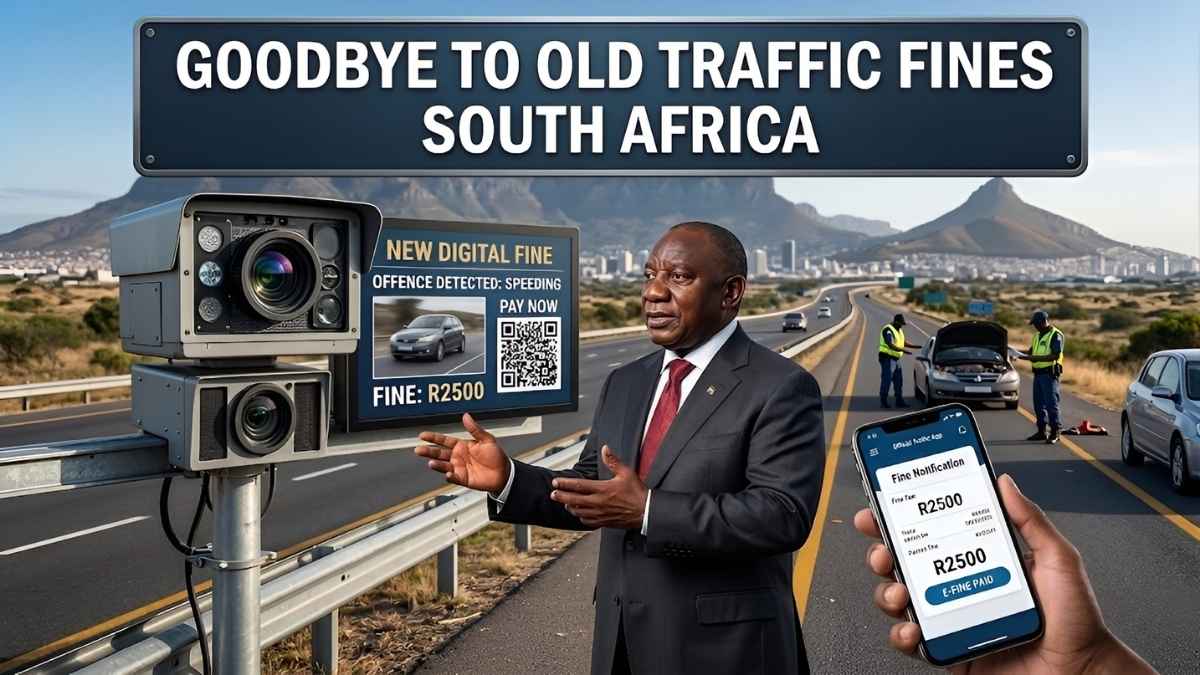
South Africa Road Law Change South Africa is preparing for a major shift in traffic enforcement as authorities introduce artificial intelligence powered cameras to monitor road violations. Beginning on 5 March 2026, the new system will automatically detect certain traffic offences and issue penalties that can reach R1,500. This step is part of a broader effort to improve road safety and reduce dangerous driving behaviour across the country.
Traffic officials believe that advanced monitoring technology can help address the growing number of road incidents. Traditional enforcement methods have often relied on manual observation by traffic officers, which can limit coverage. AI based systems, however, can operate continuously and track violations more efficiently.
Key Features of the AI Traffic Camera System in South Africa
| Feature | Description |
|---|---|
| Technology Used | Artificial intelligence powered traffic cameras |
| Implementation Date | 5 March 2026 |
| Maximum Penalty | Up to R1,500 depending on the offence |
| Monitoring Capabilities | Speed detection, red light violations, and traffic rule monitoring |
| Enforcement Method | Automated detection and digital fine processing |
| Purpose | Improve road safety and reduce traffic violations |
The introduction of AI cameras is expected to modernize the way traffic laws are enforced. These cameras are designed to automatically identify violations such as speeding, running red lights, and ignoring certain traffic signals. Once a violation is detected, the system records evidence and processes the penalty through a digital platform.
Authorities have explained that the system will rely on high resolution cameras combined with intelligent software capable of analysing vehicle movements in real time. This allows the system to capture clear images and confirm the type of violation before a fine is issued. The goal is to make enforcement both accurate and efficient while reducing human error.

Another reason behind the shift to automated enforcement is the growing number of vehicles on South African roads. With traffic volumes increasing in major cities and highways, monitoring every violation through traditional methods has become more difficult. AI technology can monitor multiple lanes simultaneously and operate throughout the day without interruption.
Drivers who commit traffic offences detected by these cameras may receive digital notifications about their penalties. These notices typically include the details of the violation, location, time, and photographic evidence captured by the system. Motorists will still have options to review or challenge fines through official channels if they believe an error occurred.
Road safety experts believe that consistent enforcement may encourage drivers to follow traffic rules more carefully. When motorists know that violations can be detected automatically, they may be more cautious about speeding or ignoring signals. This could lead to safer roads and fewer accidents over time.
Public awareness campaigns are also expected to accompany the rollout of the AI camera system. Government agencies often provide educational materials to explain how new traffic monitoring technologies work and what drivers should expect. This helps ensure that motorists understand the purpose of the system and the importance of complying with traffic regulations.

While the introduction of automated fines may raise concerns for some drivers, authorities emphasize that the primary objective is prevention rather than punishment. By identifying risky driving behaviour early, officials hope to reduce the number of serious road incidents and improve overall traffic discipline.
Motorists can prepare for these changes by ensuring they follow speed limits, obey traffic signals, and remain aware of road regulations. Maintaining safe driving habits will help drivers avoid penalties and contribute to safer travel conditions for everyone on the road.
Final Verdict
The launch of AI powered traffic cameras in South Africa marks a significant step toward modernizing road law enforcement. Starting on 5 March 2026, the system will monitor traffic violations and issue penalties of up to R1,500. By combining advanced technology with stricter enforcement, authorities aim to improve road safety and encourage more responsible driving across the country.
Disclaimer
This article is intended for informational purposes only. Traffic laws, penalties, and enforcement methods may change based on official government announcements or regional regulations. Drivers should always refer to official transportation authorities or government websites for the most accurate and updated information regarding traffic rules and penalties.